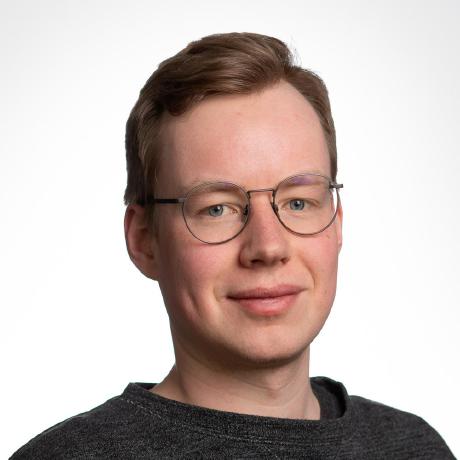
Friday, October 30, 2026, UC Berkeley.
Bay Area Robotics Symposium 2026
Thank you for joining us!
See you next year at Stanford!
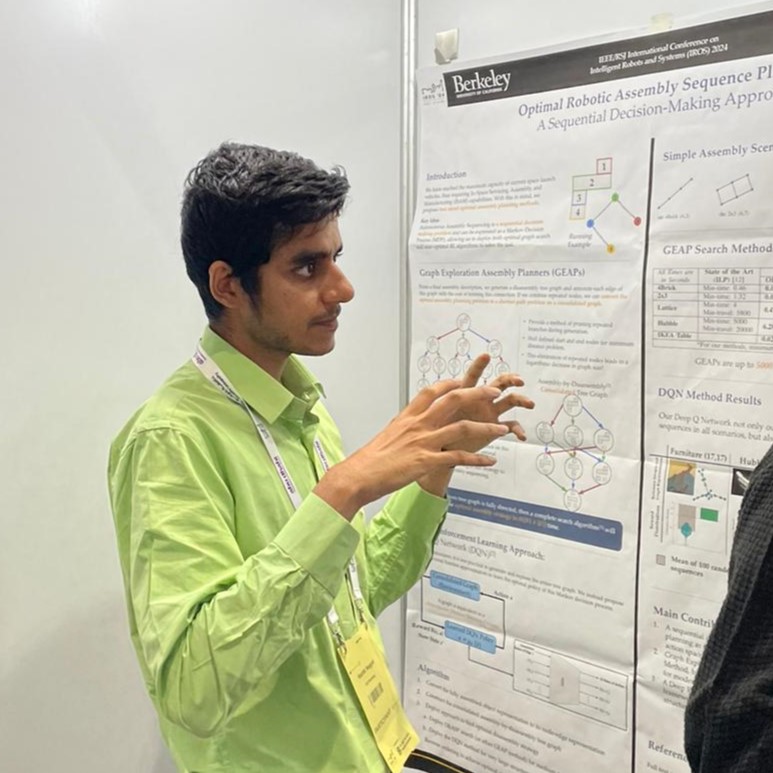
Photo credit: UC Berkeley Life
Thank you to everyone who joined us at BARS 2026! Here is a look back at the talks, posters, and conversations that made the day special.
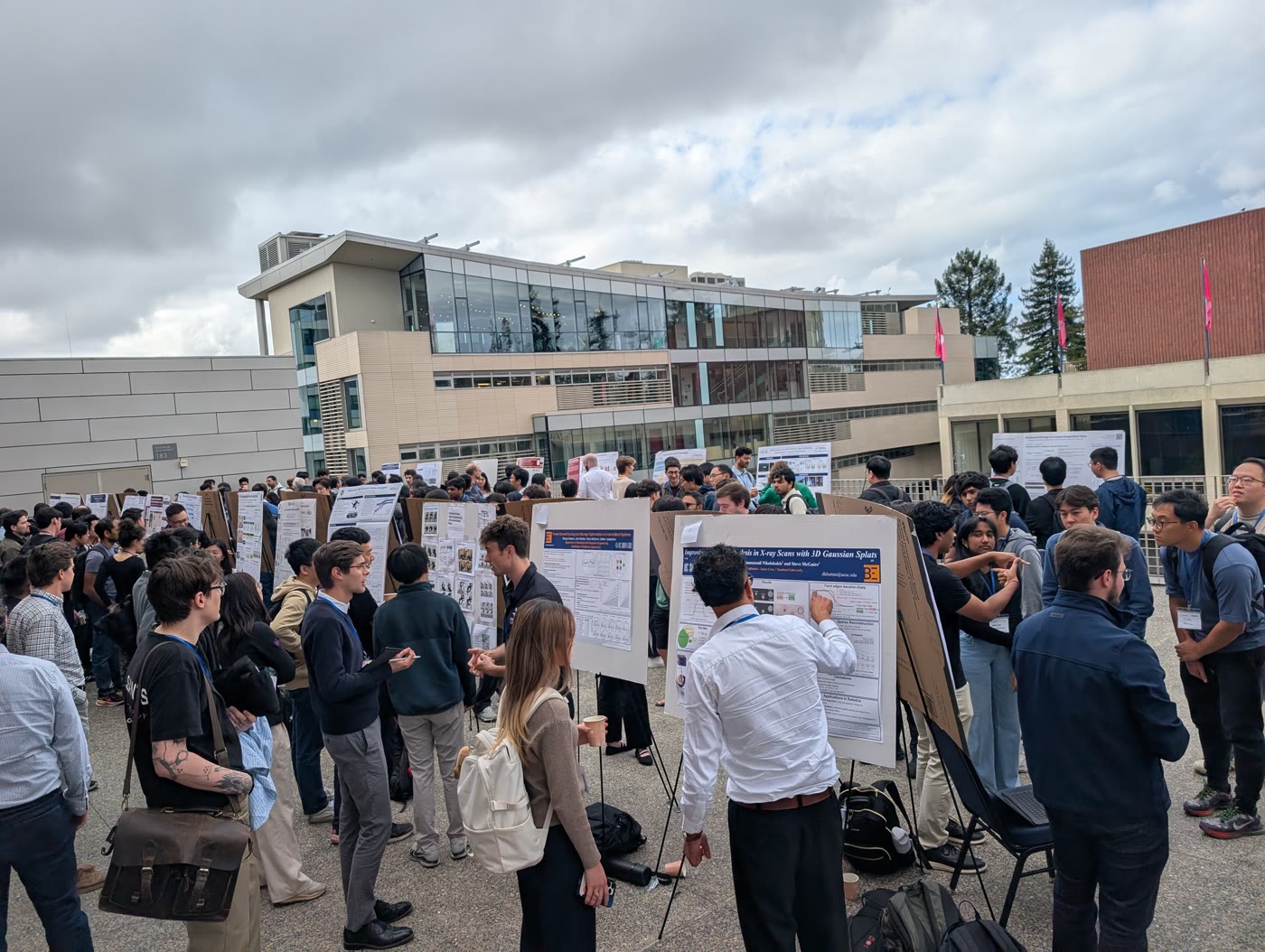
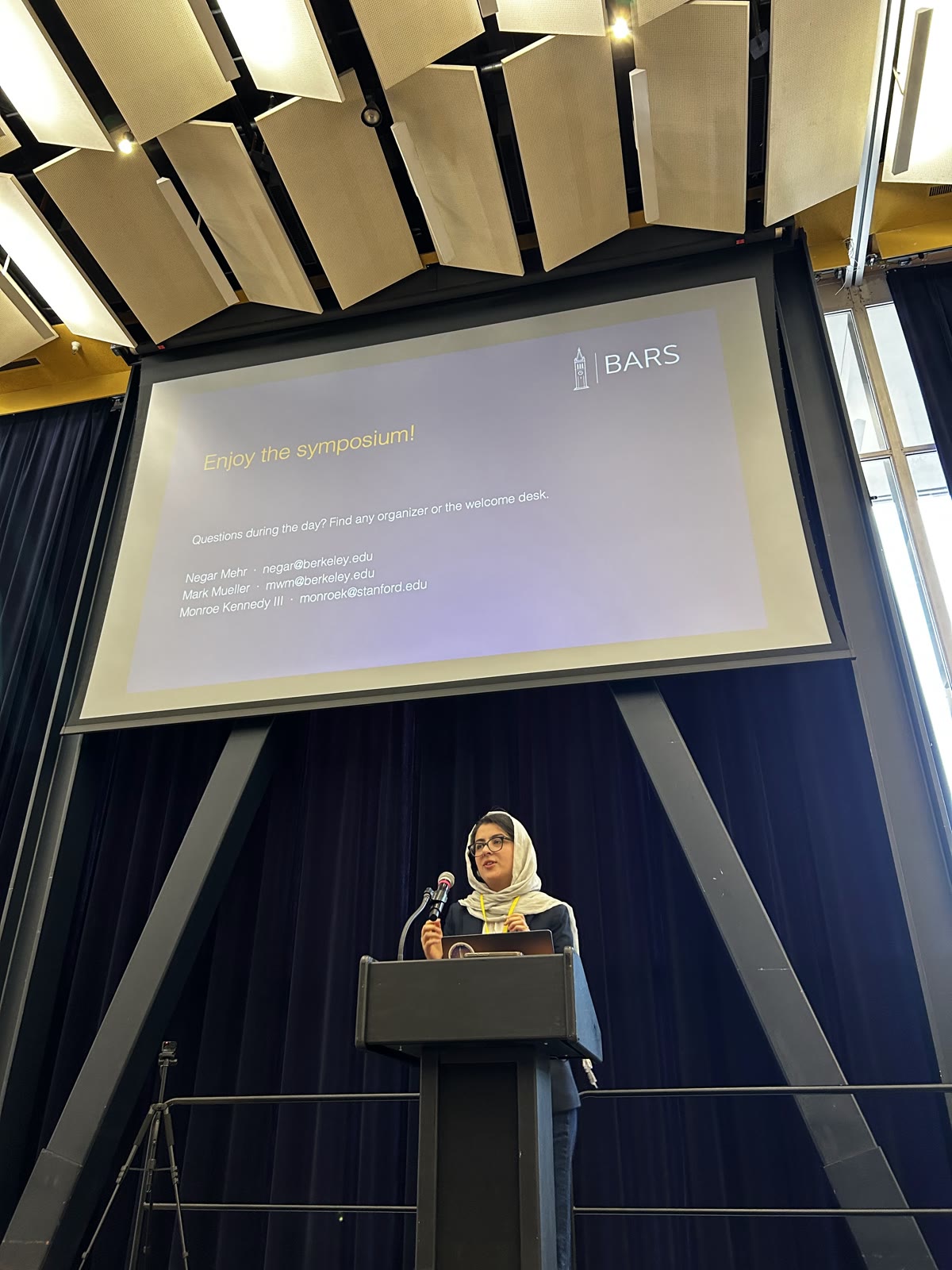
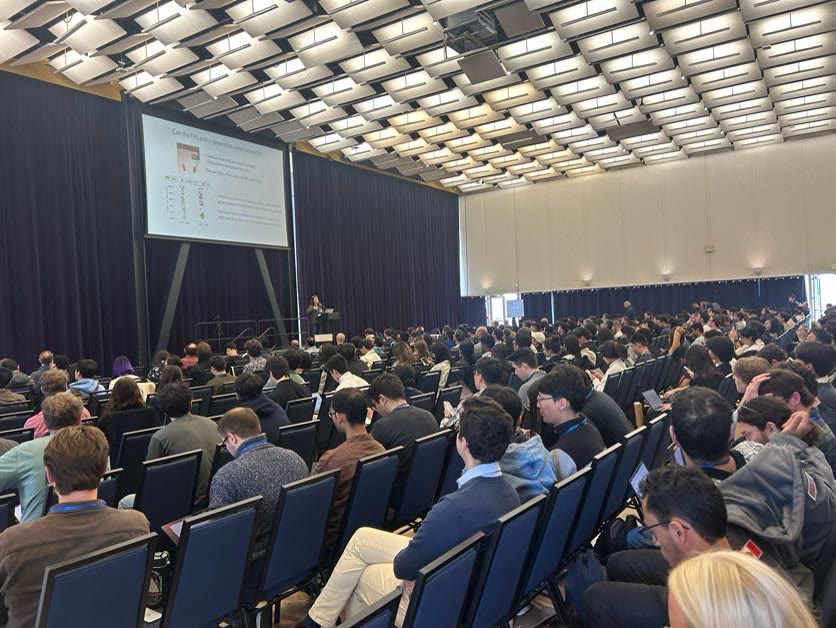
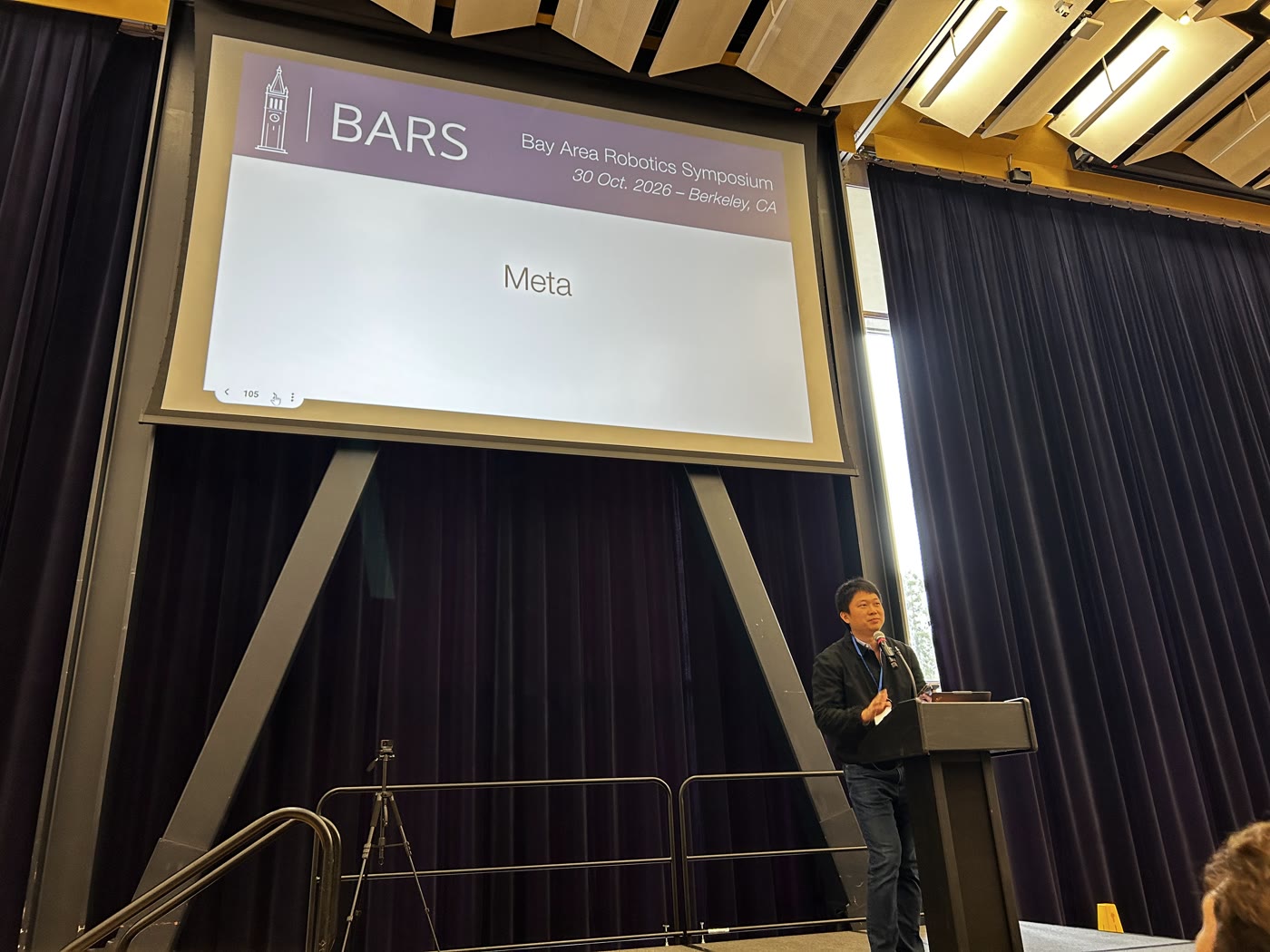
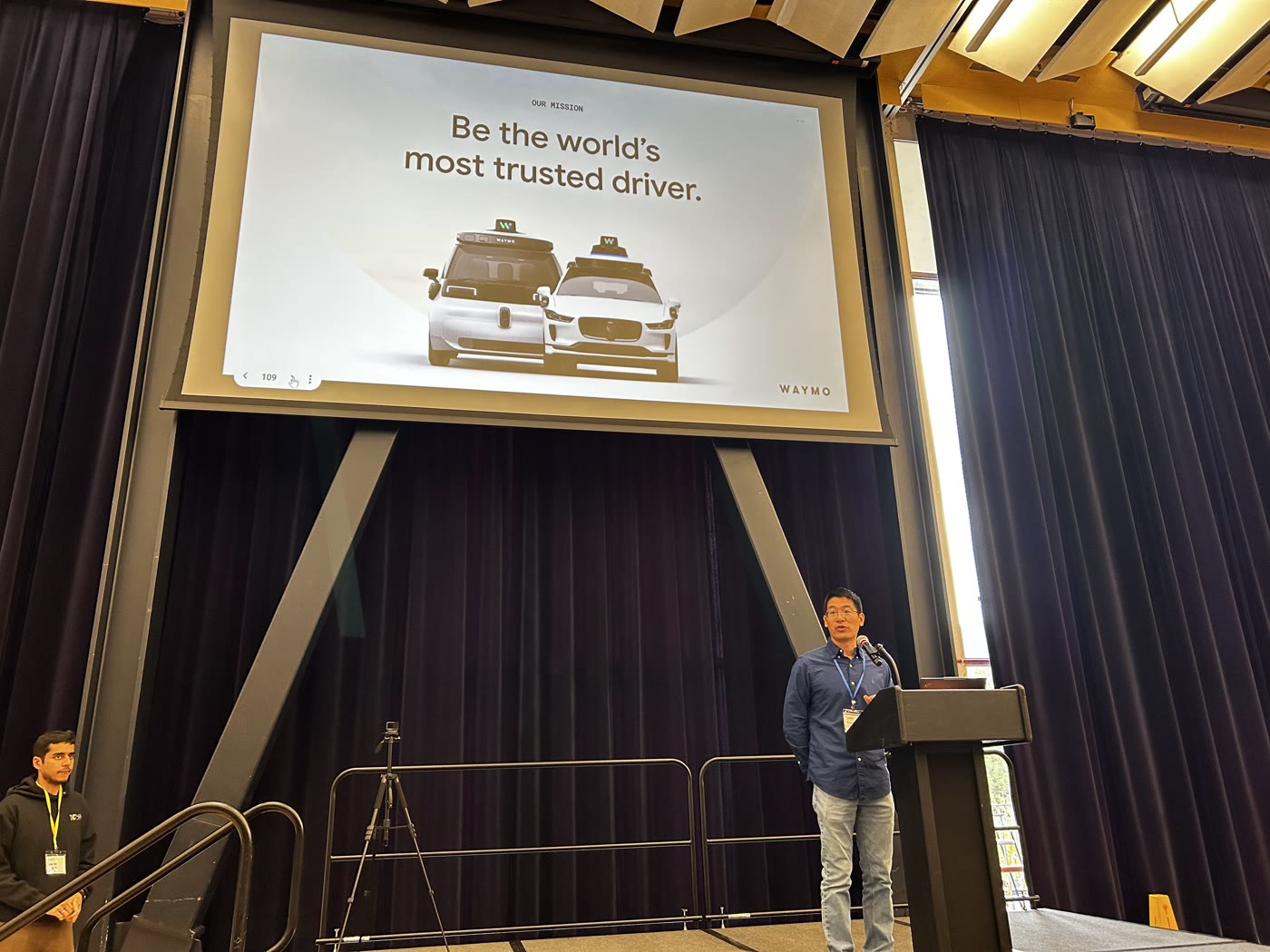
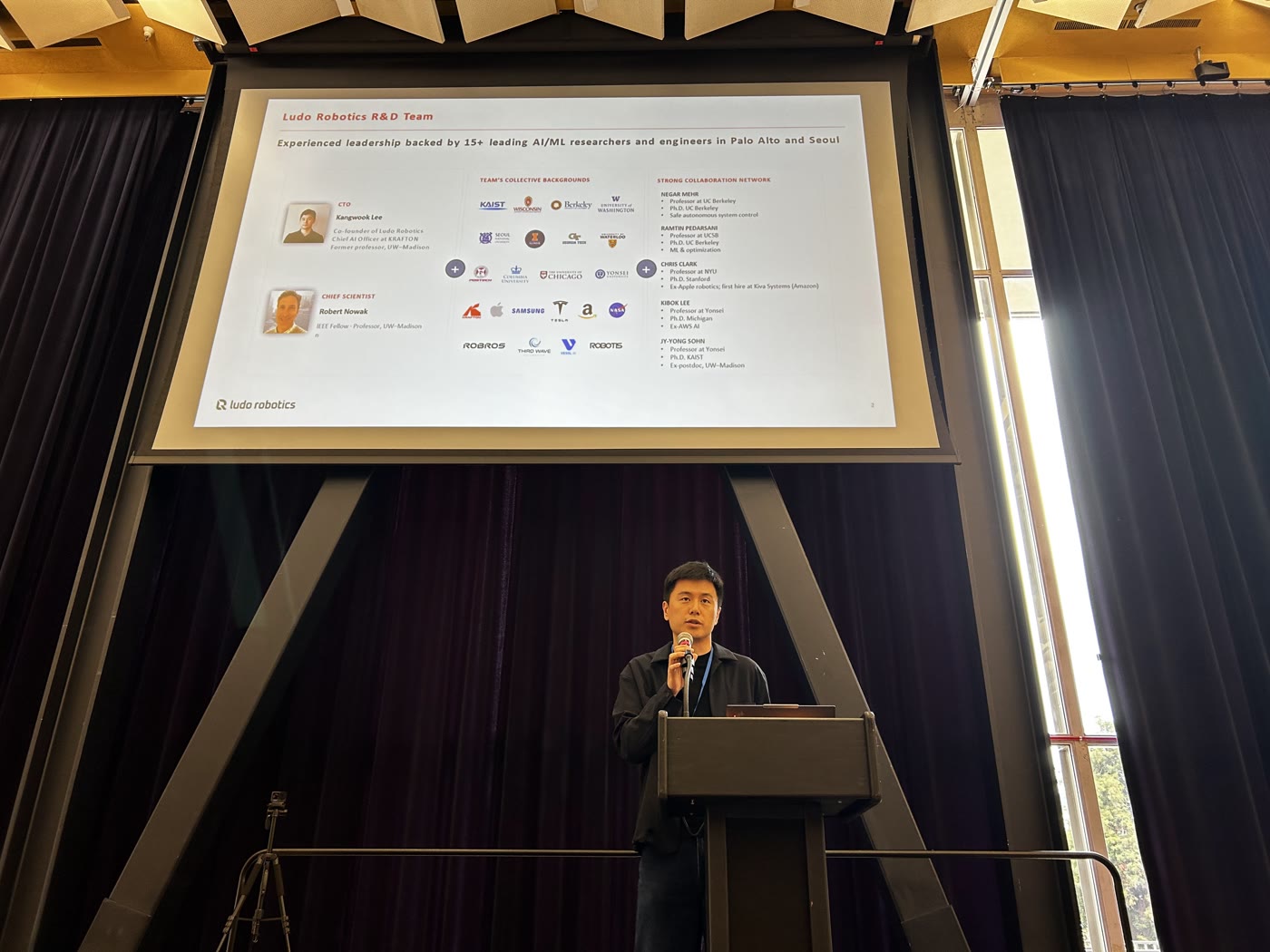
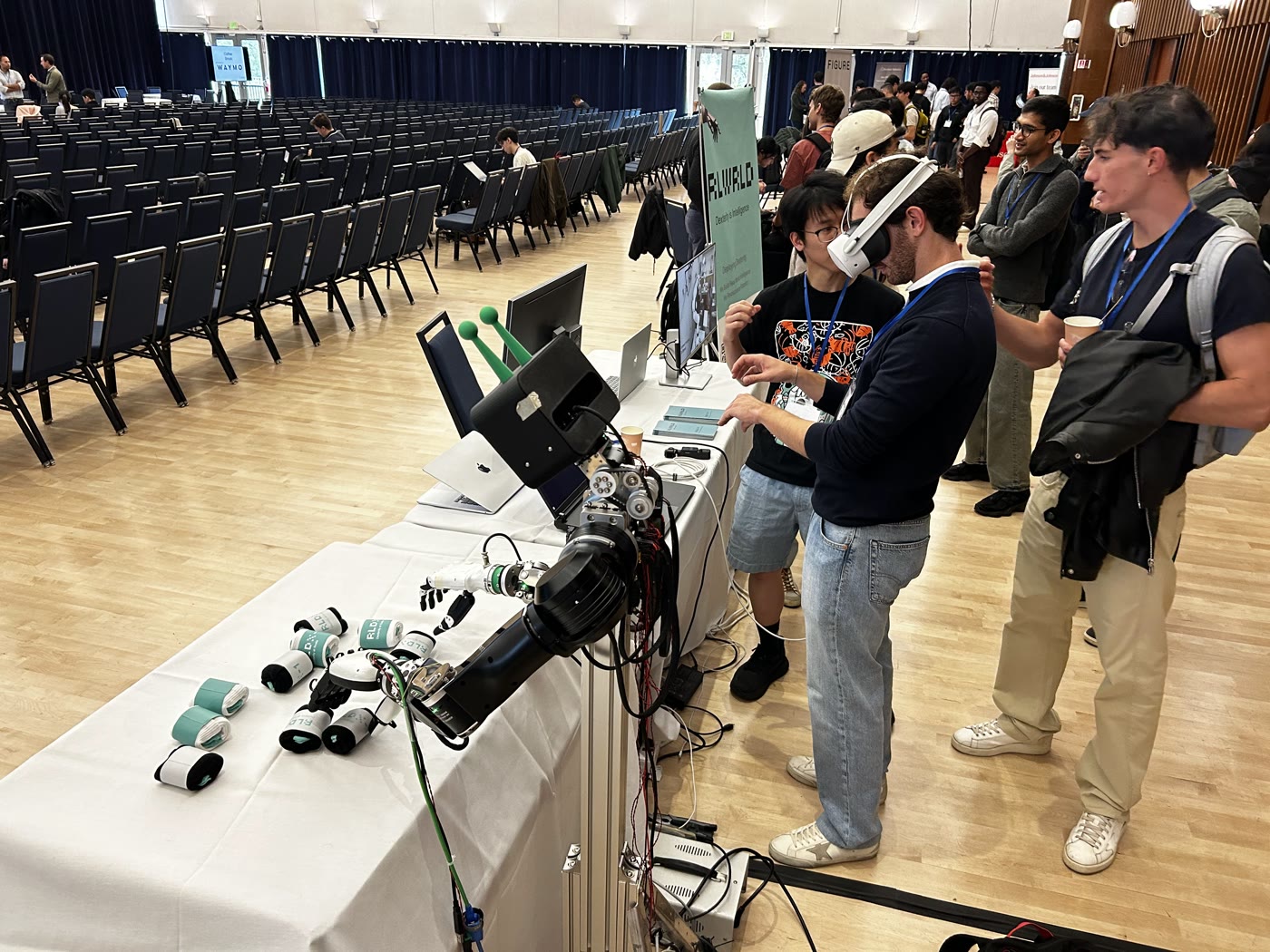
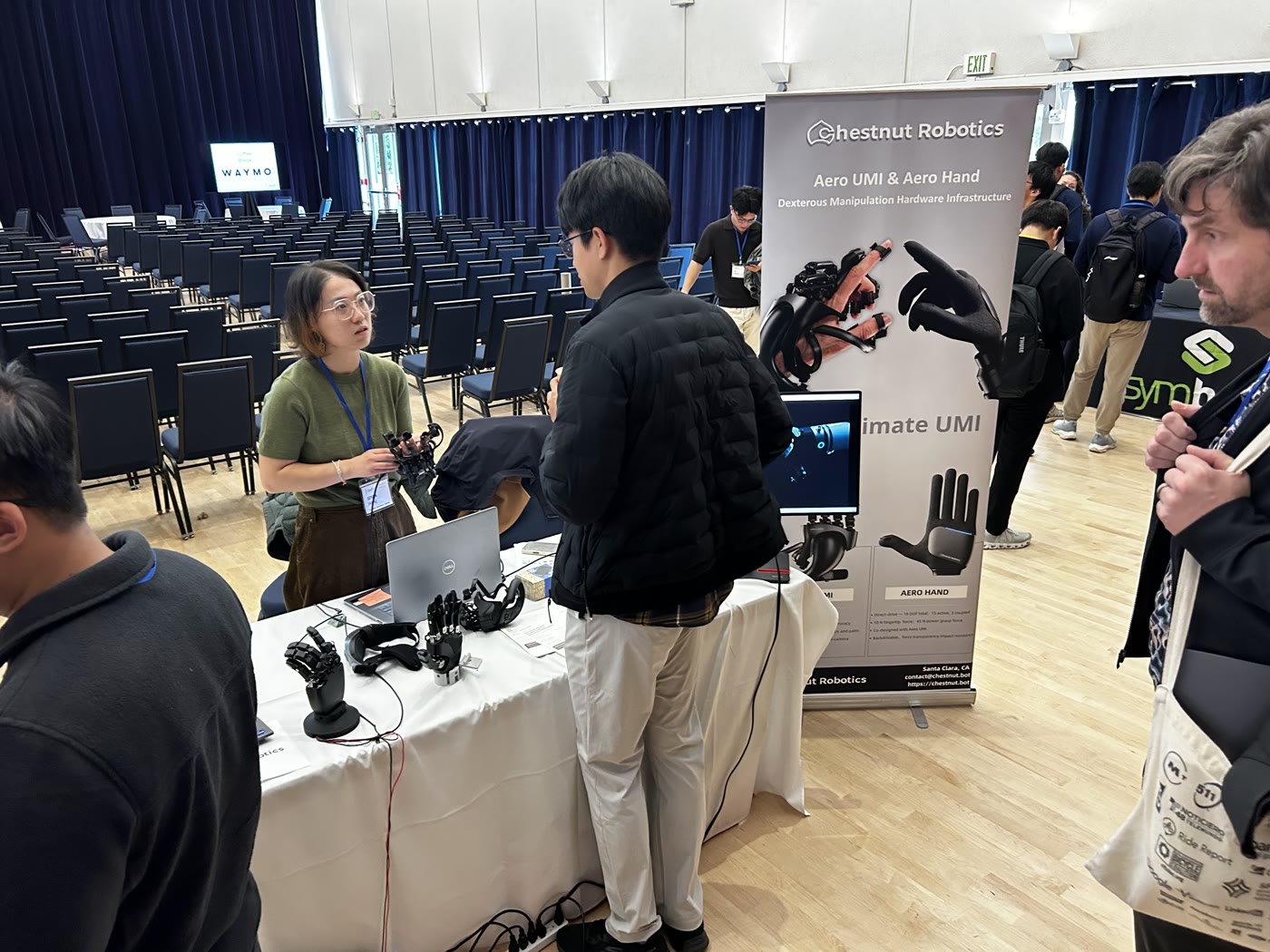
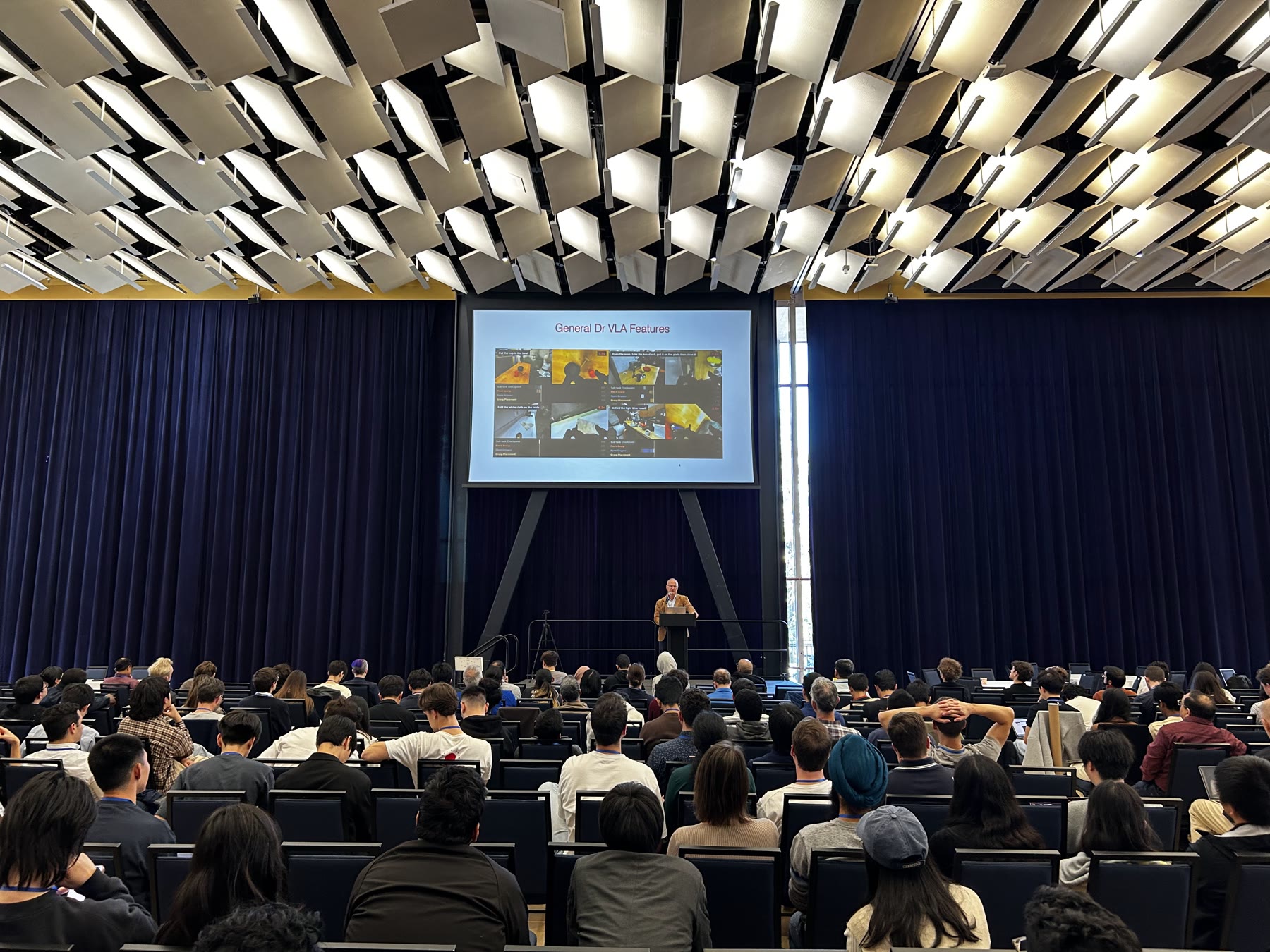
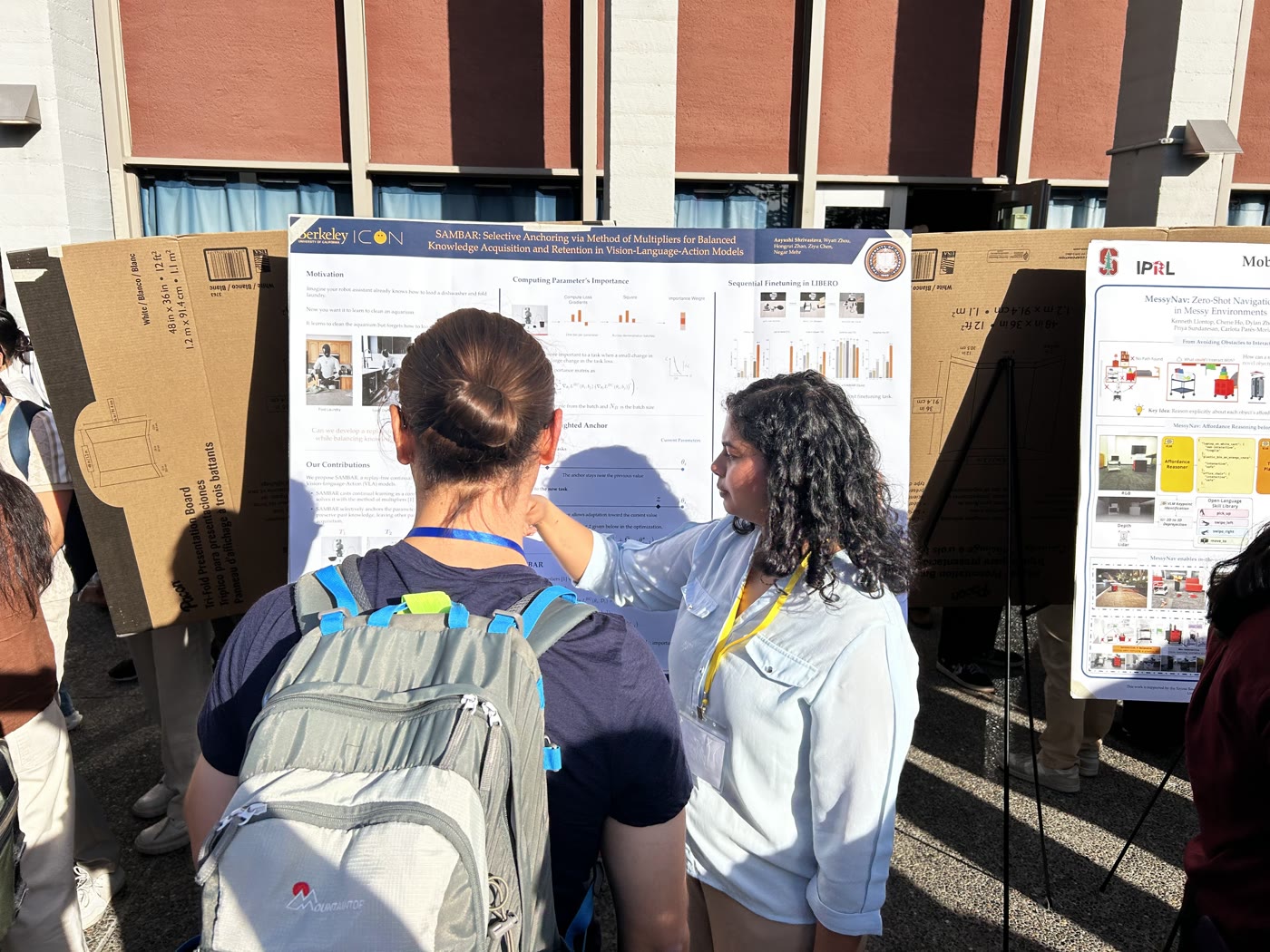
The 2026 Bay Area Robotics Symposium aims to bring together roboticists from the Bay Area. The program will consist of a mix of faculty, student and industry presentations. For more details, see the event schedule.
We expect all attendees (whether they are affiliated with UC Berkeley or not) to adhere to the University's code of conduct. Any concerns about participant conduct may be reported directly to the organizers, or staff at the welcome desk.
Gold Sponsors


Silver Sponsors








Bronze Sponsors


The event will be held on the campus of UC Berkeley at Pauley Ballroom in the Martin Luther King Jr. Building.
Parking: Nearby paid parking is available at Lower Sproul Parking Garage (closest to the venue), RSF Garage, and Telegraph Channing Garage.
These parking facilities are not affiliated with BARS. Attendees are responsible for parking availability, fees, and payment.
View the at-a-glance schedule below, or open the detailed event program
| 08:30-09:00 | Breakfast & check-in | |
| 09:00-09:15 | Welcome | |
| 09:15-10:00 | Faculty Talks Session #1 | |
| 10:00-10:45 | Industry & Student Spotlight Talks #1 | |
| 10:45-11:15 | Waymo Coffee Break & Student Posters #1 | |
| 11:15-12:00 | Faculty Talks Session #2 | |
| 12:00-12:30 | Keynote #1: Anne Collins (UC Berkeley Psychology) | |
| 12:30-13:45 | Meta Lunch | |
| 13:45-14:15 | Keynote #2: Andra Keay (Silicon Valley Robotics) | |
| 14:15-15:00 | Faculty Talks Session #3 | |
| 15:00-15:45 | Industry & Student Spotlight Talks #2 | |
| 15:45-16:15 | Ludo Robotics Coffee Break & Student Posters #2 | |
| 16:15-17:00 | Faculty Talks Session #4 | |
Neuro-cognitive mechanisms of flexible and efficient human learning
Despite major recent advances in artificial intelligence and robotics, humans remain the benchmark for efficient, zero- or few-shot adaptation to new situations. What computational principles support this unique flexibility? In this talk, I will present experimental and computational approaches to reverse-engineering the neuro-cognitive mechanisms behind human adaptability. I will highlight key cognitive principles, such as structured representations and multi-process arbitration, and open a discussion on how these biological insights might offer fresh perspectives for challenges in robot learning.
Anne Collins received an engineering degree from École Polytechnique in France and a PhD in cognitive neuroscience from Université Pierre et Marie Curie in Paris. She is now an associate professor in UC Berkeley's Department of Psychology and is also affiliated with the Helen Wills Neuroscience Institute and the Cognitive Science program. Her lab uses computational and experimental approaches to understand the mechanisms supporting flexible and generalizable learning and decision making in humans.
Humanoids: What's really happening?
Is our dream of having a personal robot finally in sight? The numbers are compelling, but humanoids still face challenges before we all have Rosie the Robot. A U.S.-China showdown is not the biggest challenge.
Andra Keay is Managing Director of Silicon Valley Robotics, an industry group supporting innovation and commercialization of robotics technologies. At the center of the robotics revolution, she is a global thought leader and ecosystem builder in emerging robotics sectors.
5.5 minutes per talk, including transitions.
45 seconds per student and 2.5 minutes per sponsor. Sponsor speakers are listed below. View the detailed event program for the complete student spotlight lineup
Symposium organizers:
Negar Mehr, Mark Mueller, and Monroe D. Kennedy III
For event questions, please contact:
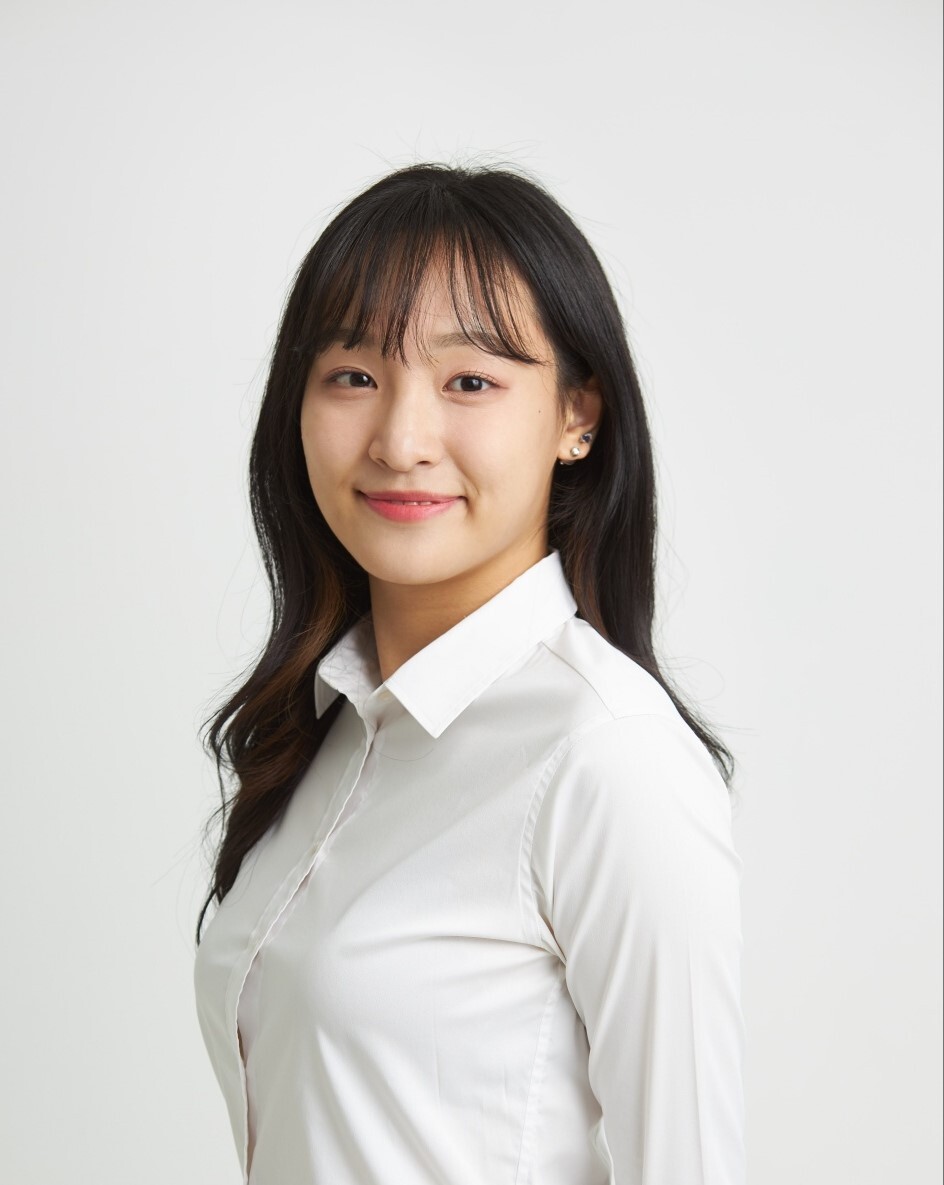
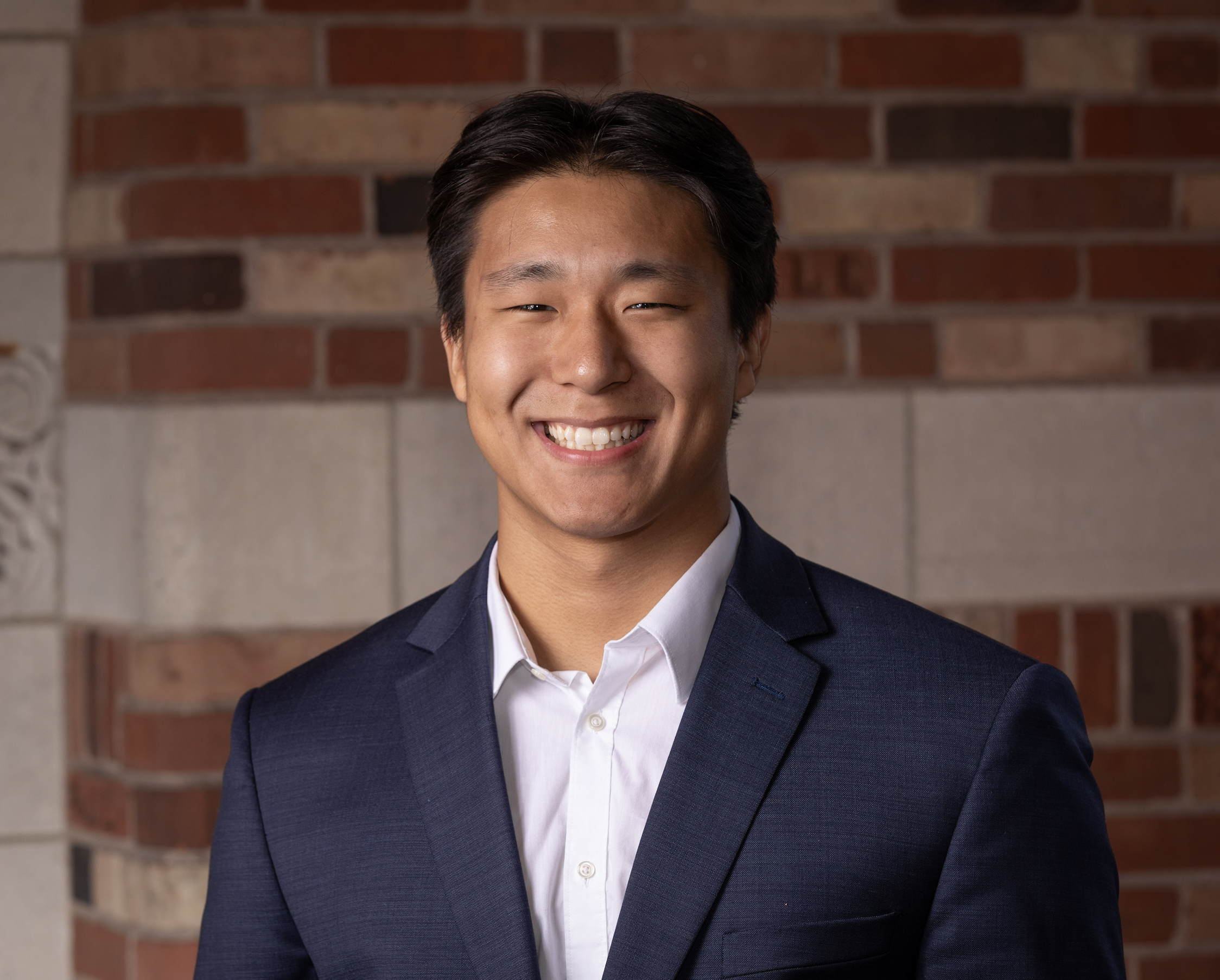
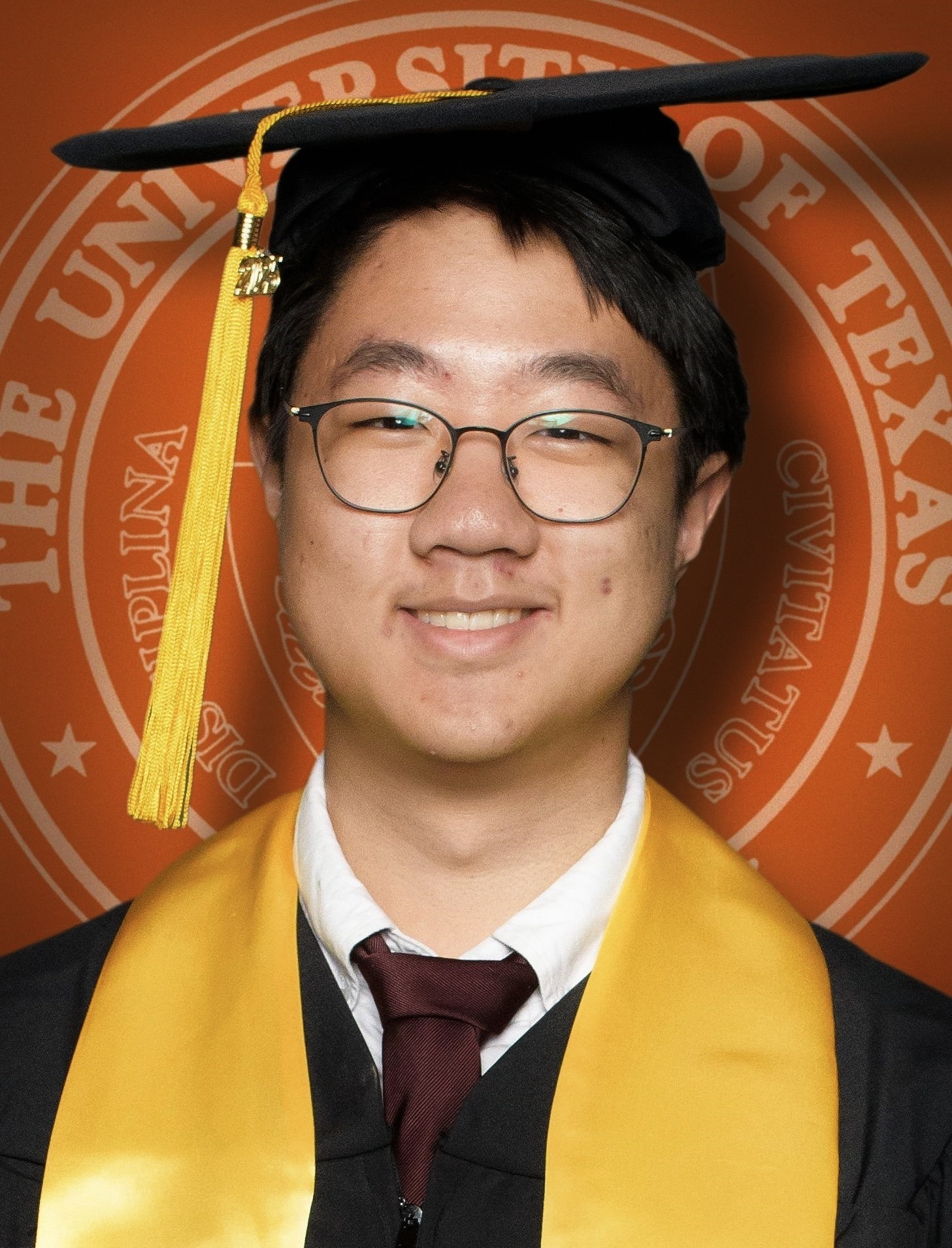
Dayi Dong, dayi.dong@berkeley.edu
Seoyeon Choi, seoyeon99@berkeley.edu
Ryan Park, ryanjpark03@berkeley.edu
Lasse Peters, lasse.peters@berkeley.edu